Essential Tips for Choosing a Reliable Auto Repair Shop
Choosing a reliable car repair center is vital for vehicle maintenance and safety. Multiple considerations shape this important decision, from technician credentials to customer feedback. Knowing the details of warranty agreements can safeguard against future issues. Effective communication with mechanics also plays a significant role in achieving satisfactory results. All of these elements impact the final outcome. What should one prioritize when making this important choice? These helpful tips will guide you toward selecting a reliable repair facility.
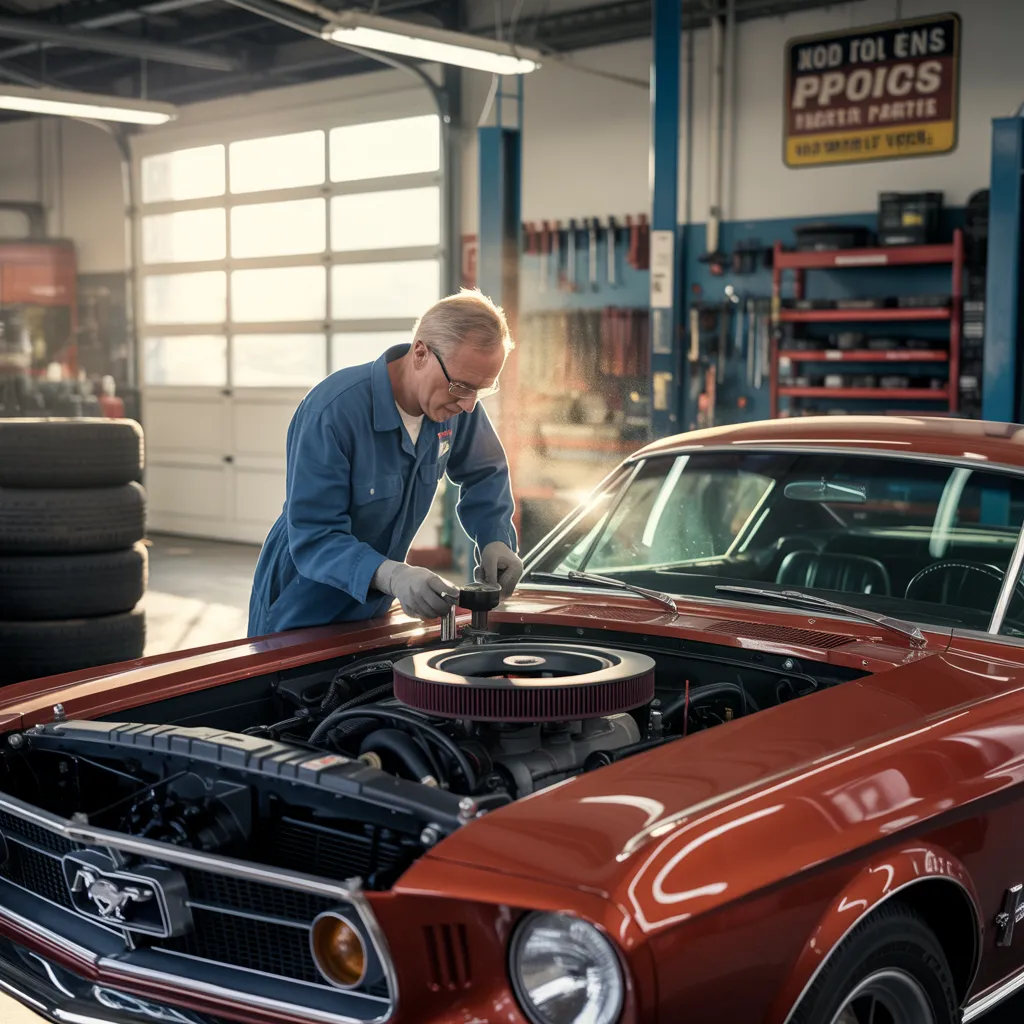
Why Selecting the Right Auto Repair Shop Is Important
Choosing the best auto repair shop is crucial, as it can considerably impact both vehicle performance and owner peace of mind. A dependable shop confirms that repairs are performed correctly, increasing the longevity and efficiency of the vehicle. Owners who pick a reliable establishment often experience fewer breakdowns and decreased repair costs over time, as excellent work minimizes the need for repeat visits.
Additionally, a reputable auto repair shop cultivates a sense of confidence among vehicle owners. Drivers are more inclined to feel assured in their choice, knowing that seasoned technicians are servicing their cars. This reassurance can lead to more consistent maintenance practices, ultimately resulting in greater vehicle safety. Furthermore, establishing a relationship with a reliable shop can streamline the repair process, providing convenient access to professional guidance and efficient service. In sum, making an educated choice in auto repair can greatly affect both the vehicle's performance and the owner's overall satisfaction.
Review Certifications and Qualifications
When searching for an auto repair shop, it is important to assess the certifications and qualifications of the technicians. Certified technicians frequently have specialized training and have demonstrated their expertise through assessments. Typical certifications include those from the National Institute for Automotive Service Excellence (ASE), which indicates a strong foundation of knowledge and abilities. Moreover, affiliations with recognized organizations, such as the Automotive Service Association (ASA), can help establish a shop's dedication to quality service.
A well-qualified technician is more capable of accurately identify problems and perform necessary repairs efficiently, which ultimately results in better service and customer satisfaction. Checking for manufacturer-specific certifications can also ensure that technicians are trained on cutting-edge techniques and updated repair procedures for specific vehicle brands. By prioritizing certifications and qualifications, automobile owners can increase their likelihood of obtaining dependable and high-quality vehicle repair services.
Check Out Customer Reviews for Your Auto Repair Shop
In what ways do customer reviews impact the selection of an auto repair shop? Customer reviews serve as valuable insights into the experiences of previous clients, offering a window into the level of service provided. Potential customers are able to gauge elements such as reliability, professionalism, and cost through these reviews. Positive reviews often indicate a trustworthy establishment, while negative feedback can highlight potential red flags.
In addition, feedback can uncover consistent service characteristics, for instance consistent wait times or the effectiveness of repairs. Digital platforms and social media enhance these perspectives, facilitating the collection of wide-ranging viewpoints. When reviewing a car repair establishment, customers should examine the cumulative rating together with individual comments pertaining to service excellence and customer relations. These insights can steer them toward a service center that aligns with their needs and goals, thus delivering a more gratifying auto service experience.
Comprehending Warranty and Guarantee Policies
Comprehending guarantee and warranty terms is essential when picking an auto repair shop. These policies outline what repairs are covered and the conditions under which they operate. Knowing the specifics can help consumers make informed decisions and ensure peace of mind concerning their vehicle repairs.
Warranty Coverage Information
Overseeing warranty coverage specifics can considerably influence the overall experience with an auto repair shop. A solid understanding of what is covered under warranty can avoid confusion and dissatisfaction. Auto repair shops often provide warranties on parts and labor, but the specifics can vary markedly. Customers should inquire about the duration of the warranty, the kinds of repairs or components covered, and any limitations that could apply. Moreover, it is critical to determine whether the warranty is honored nationwide or restricted to that particular shop. Thoroughly reviewing these details before agreeing to services guarantees that customers are protected against potential defects or issues. This well-informed approach promotes trust and elevates the complete repair experience.
Terms of Guarantee Described
What should customers be aware of regarding guarantee terms when picking an auto repair shop? Knowing the distinction between warranties and guarantees is critically important. A warranty usually encompasses particular repairs or parts for a defined duration, guaranteeing that should problems occur, the shop will resolve them without additional charges. By comparison, a guarantee frequently represents the shop's pledge to superior craftsmanship, offering satisfaction or reimbursement if the work does not meet expectations. Customers should inquire about the duration, coverage specifics, and limitations of these policies. It is also advisable for them to read the fine print thoroughly to avoid potential misunderstandings. By clarifying these terms, customers can make informed decisions and choose a repair shop that stands behind its work.
How to Communicate Effectively With Your Mechanic
How can someone ensure that interactions with a mechanic remain clear and productive? First, it is essential to describe the vehicle's symptoms in detail. Instead of vague statements, the focus should be on particular problems, like strange sounds or illuminated dashboard indicators. Doing so enables the mechanic to identify the issue with greater precision.
Moreover, asking questions is important. Questioning the repair process, needed parts, and projected timelines helps develop a more thorough understanding. Active listening serves an equally important purpose; one must listen closely to the mechanic's explanations and request clarification whenever something remains unclear.
Additionally, it is advantageous to create a bond with the mechanic. Building trust can result in better service and more personalized care for full information the vehicle. Finally, keeping written records of earlier repairs and service work can boost communication by offering context for current issues. Clear communication consistently produces a more satisfactory service experience.
Evaluate Estimates and Rates
A comprehensive comparison of quotes and costs can highlight notable disparities between auto repair shops. When obtaining auto repairs, customers should collect quotes from multiple shops to gauge the market rate for necessary work. This process not only provides insight into expected expenses but also highlights varying levels of service.
It is crucial to examine what each estimate encompasses. Some shops might offer lower prices but skimp on parts quality or labor warranties, while some may charge a premium for better service and higher-quality parts. Moreover, understanding the breakdown of costs—labor, parts, and any potential hidden fees—enables buyers to arrive at a more informed conclusion.
Apart from pricing, you should also take reputation and customer service into account. A slightly more expensive shop may provide greater reliability and a more dependable experience. Ultimately, balancing cost with quality and service reputation guarantees a more satisfactory outcome for auto repairs.
Questions We Often Receive
What Are the Signs That a Shop Is Trustworthy?
A trustworthy establishment often presents accreditations, features straightforward pricing, and has positive client feedback. Moreover, a welcoming atmosphere with skilled personnel can reflect dependability, while effective interaction and service assurances further improve trustworthiness in their offerings.
What Steps Should I Take if I'm Unhappy With Repairs?
If unsatisfied with repairs, the client should start by discussing their concerns with the shop. If the matter is not resolved, seeking a second opinion or contacting consumer protection services may be necessary to address the issue effectively.
Are There Particular Warning Signs to Look Out For?
Warning signs to look out for encompass lack of certifications, imprecise cost estimates, incomplete repairs, poor customer reviews, unprofessional conduct, and unwillingness to offer thorough explanations. These factors commonly suggest concerns regarding the repair facility's dependability.
How Regularly Should I Get My Car Serviced?
Cars generally need to be inspected every 5,000 to 7,500 miles or or every 6 months, depending on which occurs sooner. Routine servicing helps guarantee optimal performance, driver safety, and long-term durability, preventing costly repairs and elevating your day-to-day driving experience.
Can I Request to See Old Parts After Repairs?
Indeed, customers can inquire about seeing used parts after repair work is completed. Most reputable shops are happy to fulfill such requests, as being transparent helps establish trust. Being aware of the condition of removed components can give customers confidence about the standard of work completed.
Comments on “How Auto Repair Helps Keep Your Engine Efficient”